Quarry dust, delivered by the trip
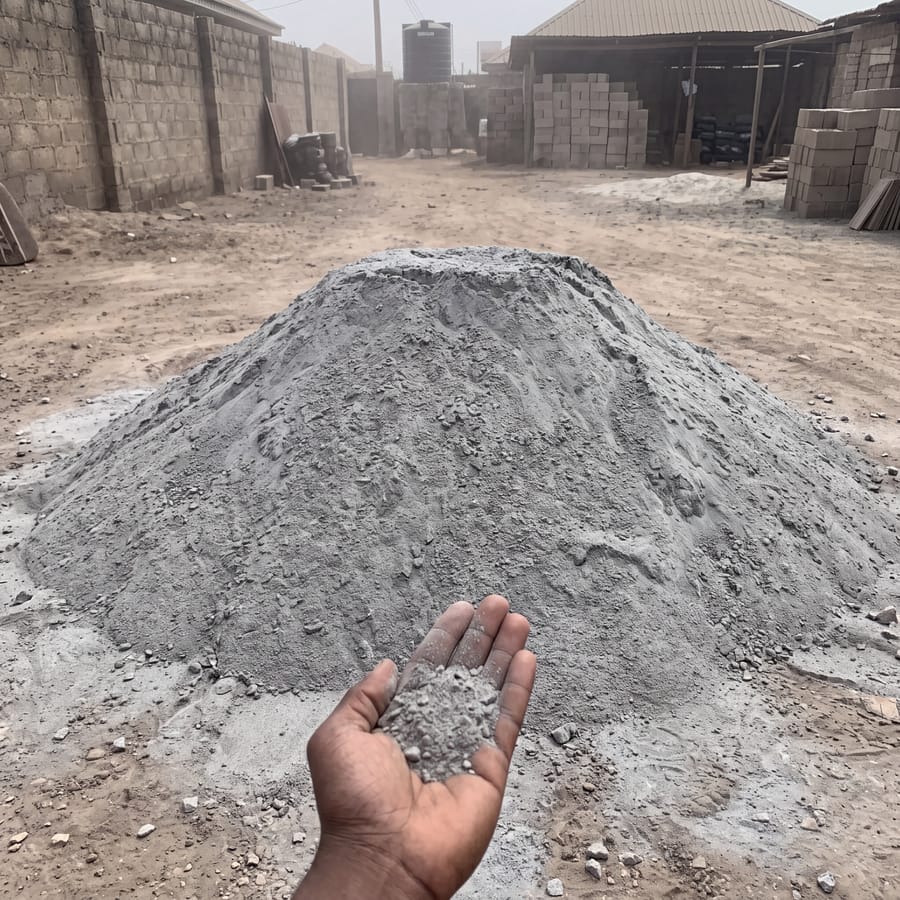
Quarry dust is the fine crushed material left over from making chippings, and it's one of the most useful low-cost fillers on a site. It beds blocks and pavers, fills and levels under floors, and is widely blended into the mix for moulding blocks — doing jobs that would cost more with sand.
What it’s used for
- Bedding for paving blocks, slabs and walkways
- Filling and levelling under ground floors before casting
- Blending into the mix for moulding blocks
- General compacting and levelling around a building
How far one trip goes
A 20-ton tipper trip of quarry dust is roughly 12–14 cubic metres — enough to bed a good area of paving or fill under the floor of a modest house. The exact spread depends on how thick you lay it, so your mason's estimate is the reliable guide.
Current delivered prices
How to spot good material
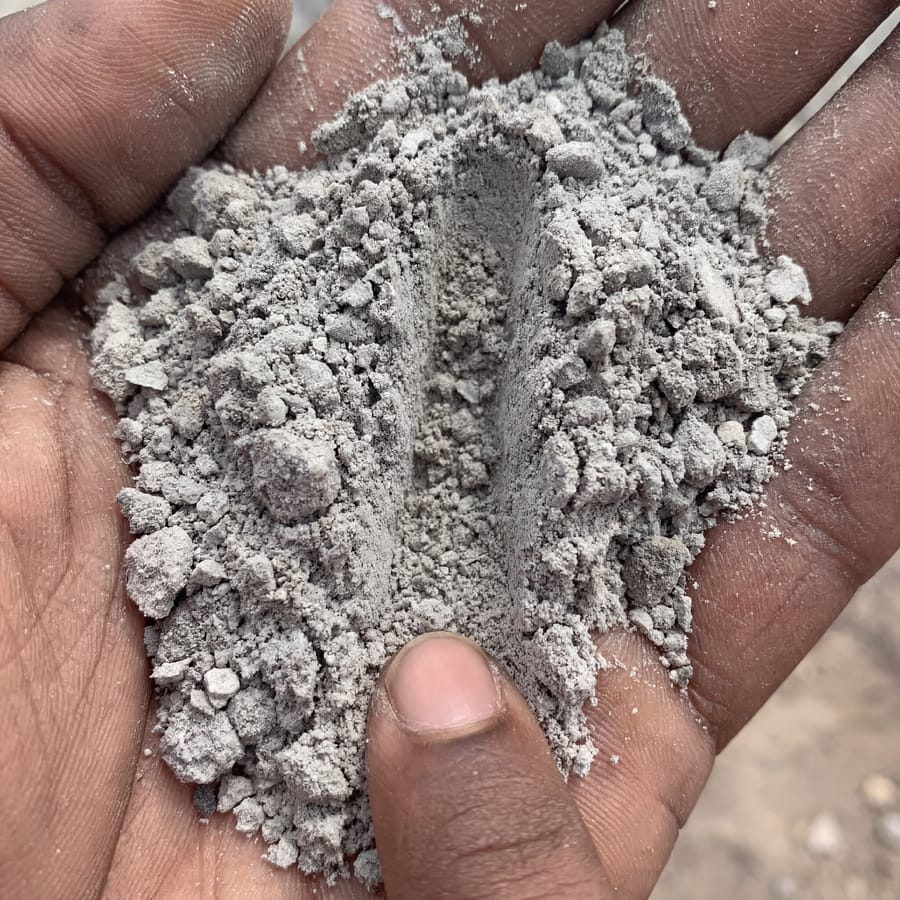
- Good quarry dust is fine and gritty with only small stone bits — very lumpy or clay-heavy dust won't compact or bed evenly.
- For moulding blocks, keep the sand-to-dust blend consistent load to load so your blocks cure to the same strength.
Common questions
Can I use quarry dust instead of sand for moulding blocks?
Many block-makers blend quarry dust into the mix rather than using sand alone, because it's firmer and often cheaper. The right balance depends on your cement ratio and the block strength you need, so keep the blend consistent and follow your mason's guidance.
What is quarry dust used for on a building site?
It beds blocks and paving, fills and levels under floors, and goes into block-moulding mixes. It's a cheaper leveller and filler than sand for jobs where a fine finish isn't the point.
How much is a trip of quarry dust delivered?
One delivered price per trip: the material plus haulage for your distance. Current quarry dust prices are on the prices page, and dropping your pin on the order page shows your exact delivered price.
Drop your pin — your delivered price shows instantly.